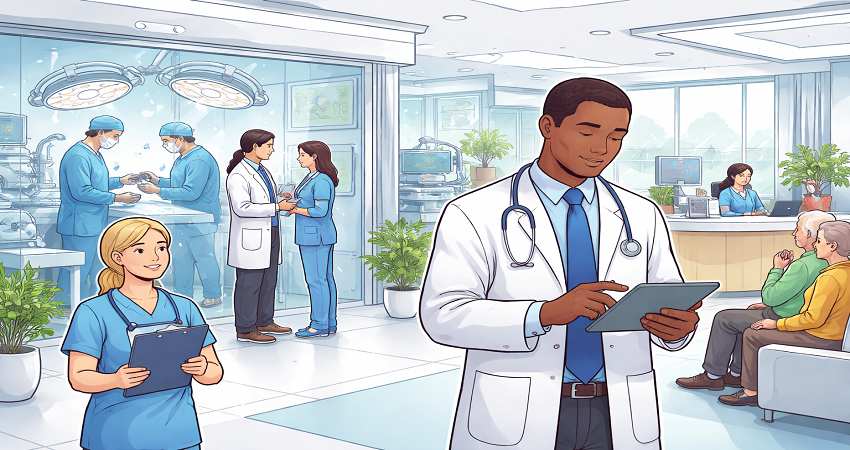
Healthcare is evolving rapidly across the globe, and one of the most exciting transformations can be seen in the way medical workspaces are designed and operated. In Durban, a vibrant coastal city known for its growing healthcare infrastructure, innovation is shaping the future of hospitals, clinics, and specialized care centers.
These modern medical environments are no longer just places for treatment—they are carefully designed ecosystems focused on patient comfort, efficiency, and advanced technology integration.
From state-of-the-art diagnostic centers to patient-centric hospital layouts, Durban is home to several medical workspaces that reflect global healthcare trends. These institutions combine architectural brilliance, smart technology, and compassionate care to deliver improved health outcomes.
Whether it’s digital health systems, eco-friendly designs, or collaborative treatment environments, these spaces redefine what modern healthcare should look like.
In this article, we explore the top 10 most innovative medical workspaces in Durban, highlighting what makes each one unique and how they contribute to the future of healthcare.
Here Are The Full Details About Top 10 Most Innovative Medical Workspaces In Durban
1. Netcare uMhlanga Hospital
Netcare uMhlanga Hospital stands out as one of Durban’s most advanced healthcare facilities. It features cutting-edge medical technology, including robotic-assisted surgery systems and digital patient monitoring. The workspace design emphasizes seamless movement between departments, reducing patient wait times and improving workflow efficiency. The hospital also integrates electronic health records (EHR), ensuring accurate and accessible patient data for healthcare professionals.
2. Life Entabeni Hospital
Life Entabeni Hospital is known for its patient-centered design and multidisciplinary approach to care. The workspace is structured to encourage collaboration among specialists, improving diagnosis and treatment outcomes. The hospital includes modern intensive care units, advanced imaging facilities, and comfortable patient rooms designed to promote healing. Natural lighting and ergonomic layouts further enhance the environment.
3. Inkosi Albert Luthuli Central Hospital
This public-sector hospital is a leader in technological innovation. Inkosi Albert Luthuli Central Hospital utilizes fully digitized systems, including paperless medical records and telemedicine services. The workspace supports highly specialized treatments, such as organ transplants and complex surgeries. Its design prioritizes efficiency, enabling healthcare professionals to access resources quickly and deliver timely care.
4. Ahmed Al-Kadi Private Hospital
Ahmed Al-Kadi Private Hospital combines cultural sensitivity with modern medical innovation. It offers advanced surgical facilities, high-tech diagnostic tools, and patient-friendly environments. The workspace is designed to cater to diverse communities, ensuring inclusivity while maintaining high standards of care. The hospital also emphasizes continuous staff training and technological upgrades.
5. Durban Oncology Centre
The Durban Oncology Centre is a specialized workspace focused on cancer treatment. It features advanced radiation therapy equipment and personalized care plans. The center’s design aims to reduce patient stress through calming interiors and supportive care environments. Innovative treatment planning systems allow for precise and effective therapies.
6. Joint Medical Holdings (JMH) City Hospital
JMH City Hospital is recognized for its efficient use of space and integrated healthcare services. The hospital uses smart systems for patient tracking, appointment scheduling, and resource management. Its workspace encourages collaboration between departments, ensuring patients receive comprehensive care under one roof.
7. Busamed Gateway Private Hospital
Busamed Gateway Private Hospital is a modern facility that combines luxury with advanced healthcare technology. The workspace includes smart patient rooms equipped with digital controls, advanced surgical theaters, and efficient emergency services. The hospital’s design focuses on both patient comfort and operational efficiency.
8. Lenmed Ethekwini Hospital and Heart Centre
This hospital specializes in cardiovascular care and features highly innovative medical workspaces tailored for heart treatments. It includes advanced catheterization labs, intensive care units, and rehabilitation facilities. The design supports quick response times and seamless patient care transitions.
9. Westville Hospital
Westville Hospital is known for its modern infrastructure and patient-friendly environment. The workspace incorporates advanced medical technologies while maintaining a welcoming atmosphere. It also focuses on staff well-being, ensuring healthcare professionals can perform efficiently and effectively.
10. St Augustine’s Hospital
St Augustine’s Hospital is one of Durban’s most established yet innovative healthcare institutions. It continuously upgrades its facilities to include the latest medical technologies and treatment methods. The workspace design supports multidisciplinary collaboration, enhancing patient outcomes and overall care quality.
Key Features of Innovative Medical Workspaces
Innovative medical workspaces share several common characteristics. These include advanced technology integration, patient-centered design, efficient workflows, and sustainable architecture. By incorporating digital systems, hospitals can improve accuracy and reduce administrative burdens. Comfortable environments also play a crucial role in patient recovery.
Impact on Patient Care and Outcomes
Modern medical workspaces significantly improve patient care. Faster diagnostics, streamlined processes, and enhanced communication among healthcare providers lead to better outcomes. Patients also benefit from reduced stress levels due to improved environments and personalized care approaches.
Role of Technology in Healthcare Innovation
Technology is a driving force behind these innovative workspaces. From artificial intelligence to telemedicine, digital tools are transforming how healthcare is delivered. These technologies enable remote consultations, predictive diagnostics, and efficient data management, making healthcare more accessible and effective.
Future of Medical Workspaces in Durban
The future of medical workspaces in Durban looks promising, with continued investment in infrastructure and technology. Emerging trends include smart hospitals, AI-driven diagnostics, and eco-friendly designs. These advancements will further enhance patient experiences and healthcare efficiency.
FAQs About Most Innovative Medical Workspaces In Durban
1. What makes a medical workspace innovative?
An innovative medical workspace integrates advanced technology, efficient design, and patient-centered care. It focuses on improving workflow, enhancing patient comfort, and enabling healthcare professionals to deliver high-quality treatment. Features like digital records, smart equipment, and collaborative layouts contribute to innovation.
2. Why is patient-centered design important in hospitals?
Patient-centered design improves comfort, reduces stress, and supports faster recovery. Elements such as natural lighting, quiet environments, and easy navigation make patients feel more at ease, which positively impacts their overall healthcare experience.
3. How does technology improve healthcare workspaces?
Technology streamlines processes, enhances communication, and improves accuracy. Digital tools like electronic health records and telemedicine allow for efficient data management and remote consultations, making healthcare more accessible and effective.
4. Are innovative hospitals more expensive for patients?
While some advanced facilities may have higher costs, innovation often leads to efficiency, which can reduce overall expenses. Faster diagnosis and treatment can minimize long-term healthcare costs for patients.
5. What role does sustainability play in medical workspaces?
Sustainability ensures that hospitals operate efficiently while minimizing environmental impact. Energy-efficient systems, waste management, and eco-friendly materials contribute to sustainable healthcare environments.
6. How do innovative workspaces benefit healthcare professionals?
These workspaces improve workflow, reduce stress, and enhance collaboration. Healthcare professionals can access tools and information بسهولة, enabling them to focus more on patient care.
7. What is the importance of digital health records?
Digital health records improve accuracy, accessibility, and efficiency. They allow healthcare providers to quickly access patient information, reducing errors and improving treatment decisions.
8. Can small clinics also be innovative?
Yes, even small clinics can adopt innovative practices such as digital systems, efficient layouts, and patient-focused services. Innovation is not limited to large hospitals.
9. How does workspace design affect patient recovery?
A well-designed workspace promotes a calm and comfortable environment, which can reduce stress and accelerate healing. Proper lighting, noise control, and privacy play key roles.
10. What trends will shape future medical workspaces?
Future trends include AI-driven diagnostics, smart hospital systems, telemedicine expansion, and sustainable designs. These advancements will continue to improve healthcare delivery and patient outcomes.
Conclusion
Durban’s healthcare landscape is rapidly transforming through innovative medical workspaces that prioritize technology, efficiency, and patient well-being. These top 10 facilities showcase how modern design and advanced systems can enhance healthcare delivery.
As innovation continues to evolve, Durban is set to become a leading example of how medical environments can improve both patient experiences and clinical outcomes.